




In less than six months, football’s biggest event, the FIFA World Cup, would kick off in the United States of America, to be co-hosted by Canada and Mexico in an expanded 48-team format that promises 104 matches across 16 cities.
Anticipation is already building after the group-stage draw for the global showpiece was held at the Kennedy Centre in Washington, D.C. on December 5.

The 2026 FIFA World Cup will not be about football alone; it will be a convergence of national pride, sport, and culture, which is timed with the United States’ 250th anniversary celebrations.
The preparations have been extraordinary, from incredible stadium renovations, federal security overhauls, to youth programs, to high-stakes team training, the US is set to host the “biggest and best” World Cup yet.
Cyber Reporters take a look at 3 key aspects of the United States’ preparations for the 2026 FIFA World Cup.
1. Stadiums and Infrastructure Overhaul
US officials are spending it all to transform 11 host cities into what could be described as global football hubs.
From the Lumen Field in Seattle to Atlanta’s Mercedes-Benz Stadium, multimillion-dollar upgrades are underway in a bid to meet FIFA’s standards.
Nine matches would be played at the AT&T Stadium in Dallas, including a semi-final game, while efforts are underway to ensure that the 40,000 hotel rooms in Philadelphia can accommodate up to 500,000 visitors.
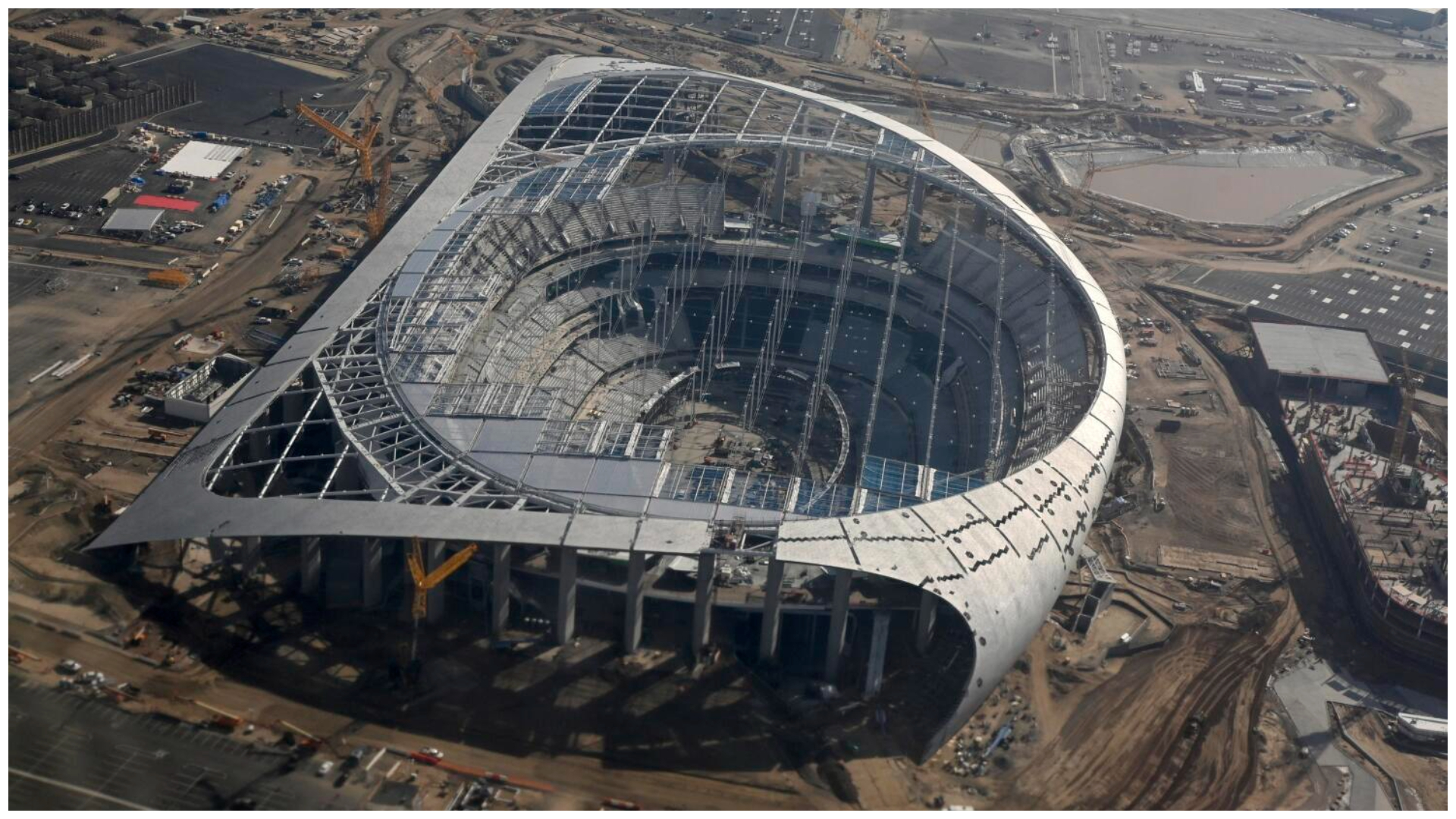
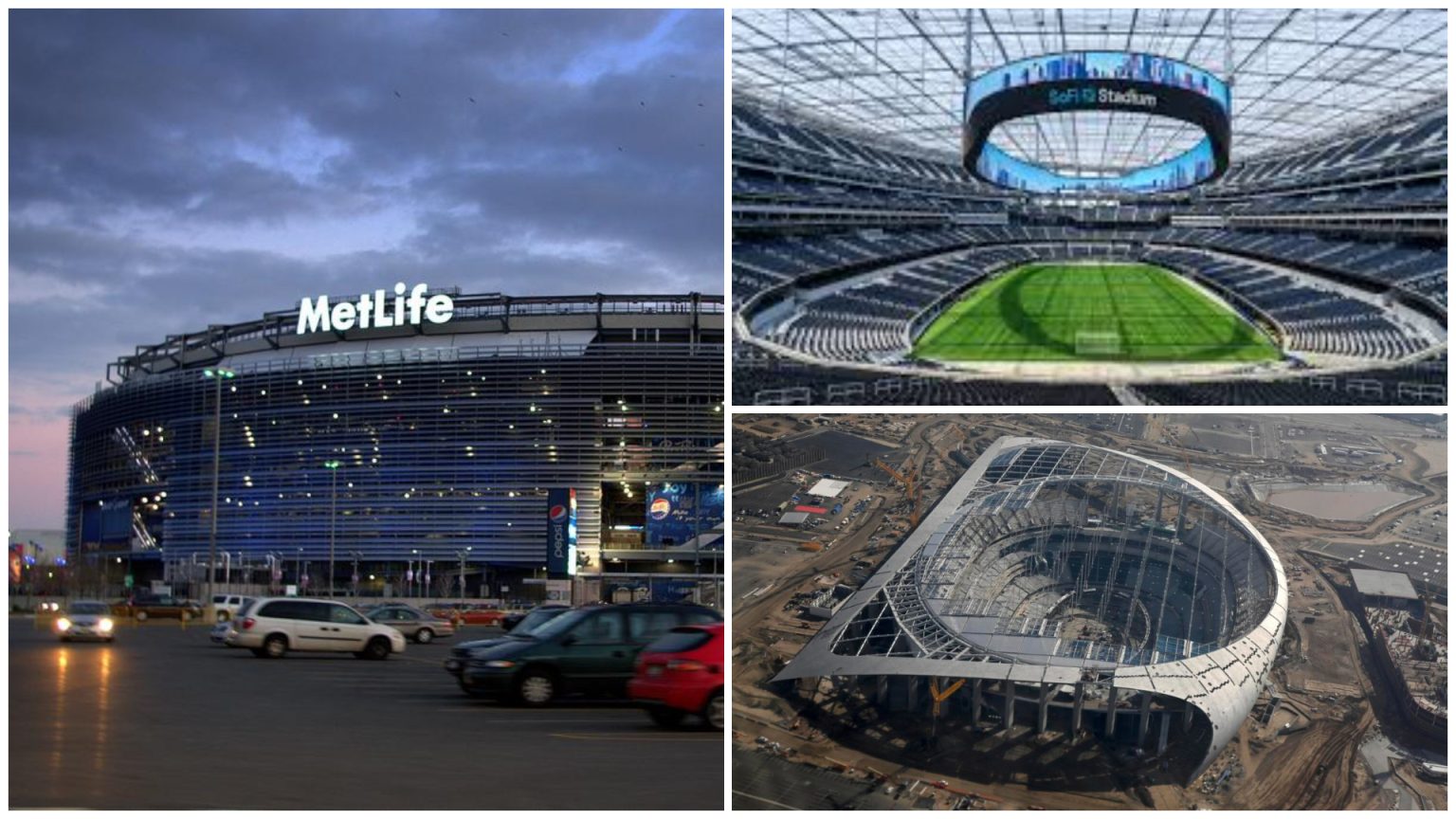
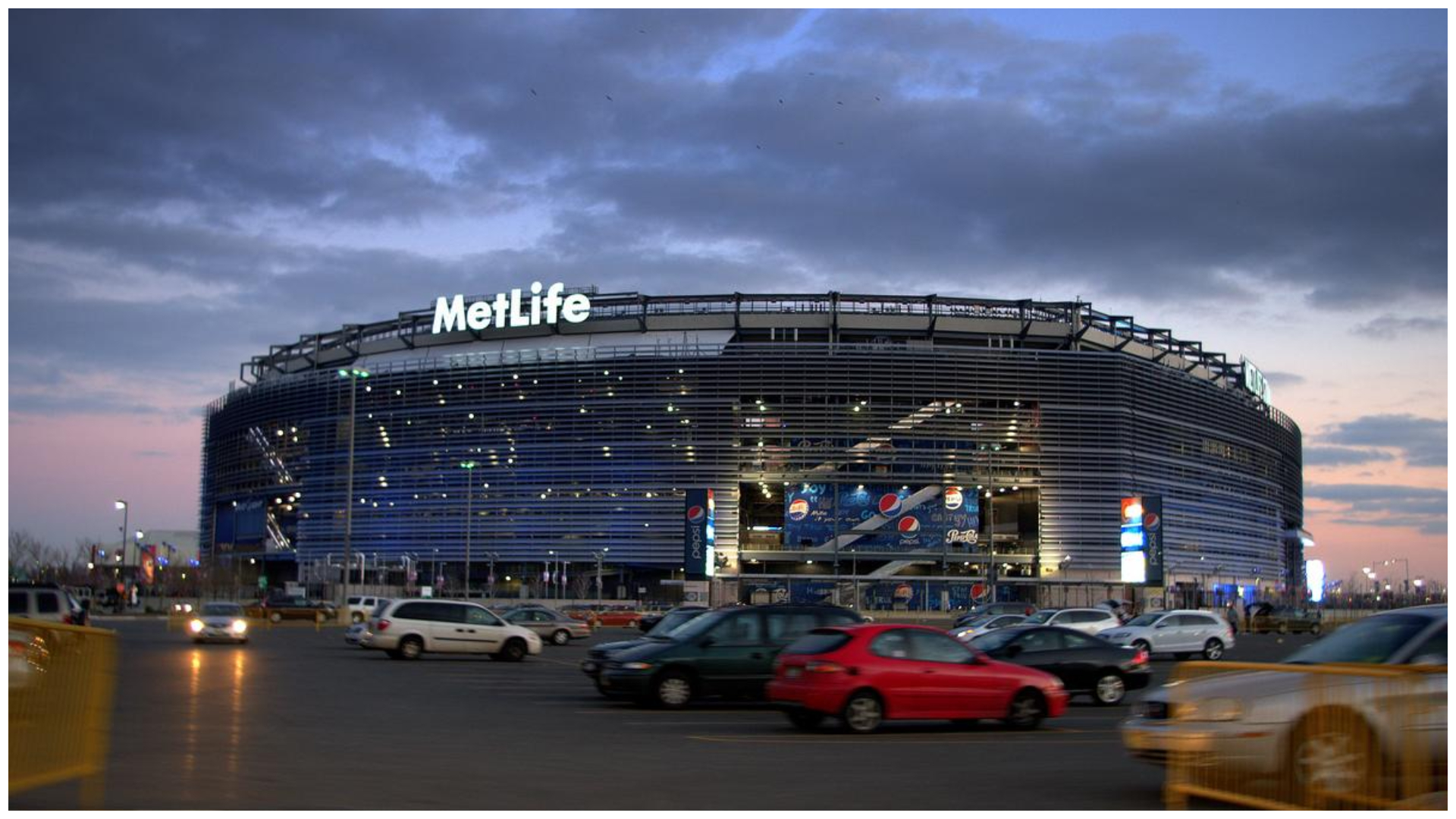
There is a huge focus on fan experiences at the New York/New Jersey’s MetLife Stadium, which will host the final on July 19, 2026, while the SoFi Stadium in Los Angeles is being prepared for concourses and state-of-the-art turf.
Training camps and team hotels are also critical, as over 100 sites have been identified and selected across the country, including modern complexes like Kansas’ Rock Chalk Park, which will provide international squads with top-tier facilities.
2. Logistics, Security, and Federal Support
In March 2025, President Donald Trump established the White House Task Force to coordinate all about visas and border security.
As a result, ticket holders have seen their wait time drop from 365 days to 90 days, with more than 400 consular offices deployed at US embassies around the world to prioritise appointments for fans.
Meanwhile, the idea of a mandatory $250 “visa integrity fee” and the social media scrutiny have sparked mixed reactions amid concerns over immigration policies.
Under the leadership of @POTUS Trump, DHS is working to secure the greatest sporting event ever hosted—the FIFA World Cup 2026.
We want EVERY American and FIFA fan visiting the U.S. on a tourist visa to enjoy this historic event and travel home safely in a timely manner. pic.twitter.com/MerkLsPto4
— Secretary Kristi Noem (@Sec_Noem) November 17, 2025
For anti-terrorism measures, the Department of Homeland Security is set to fund all 11 host cities in the country with about $625 million.
While maintaining rigorous vetting, millions of visitors are expected to arrive from around the world as officials emphasise a “welcoming approach”.
It has been projected that the 2026 World Cup will deliver up $30.5 billion in output and 185,000 jobs, fueling sectors like hospitality and event management.
However, there are challenges ahead, including possible travel bans that would affect some countries, and balancing security with fan access.
3. Cultural Moment and Legacy Building
The 2026 FIFA World Cup is anticipated to be a catalyst for the explosion of soccer in America, and not just about the 90 minutes on the pitch.
The global showpiece coincides with the country’s semiquincentennial, and the tournament aligns with celebrations of U.S. history, blending fireworks with free-kicks, per Manhattan Institute.
U.S. Soccer’s “Soccer Forward Foundation” is scaling up legacy initiatives, partnering with organisations like Subaru to donate gear to youth programs and build mini-pitches in underserved communities.

